
Border crossing Switzerland Italy: an overview
Border crossing between Switzerland and Italy: Everything you need to know
The border between Switzerland and Italy is not just a political line, but also a significant gateway to a world full of cultural diversity, breathtaking landscapes, and culinary delights. Whether for a short break in the picturesque villages of Ticino, a ski holiday in the cantonal Alps, or a business trip – the border crossings between these two countries play a central role in the everyday lives of many travelers. We'll inform you about everything you need to know about the border crossings, the best routes, the applicable entry regulations, and useful tips for a pleasant trip.
The most important things in brief:
- The border between the countries is 800 kilometers long.>7li> &Vignette requirement in Switzerland, toll system in Italy
- Possible border controls despite Schengen membership.
The most important border crossings between Switzerland and Italy.
The border between Switzerland and Italy is characterized by a multitude of border crossings, each varying in terms of landscape, traffic volume, and amenities. Below are some of the best and most well-known border crossings that travelers can use in both directions:
Chiasso border crossing
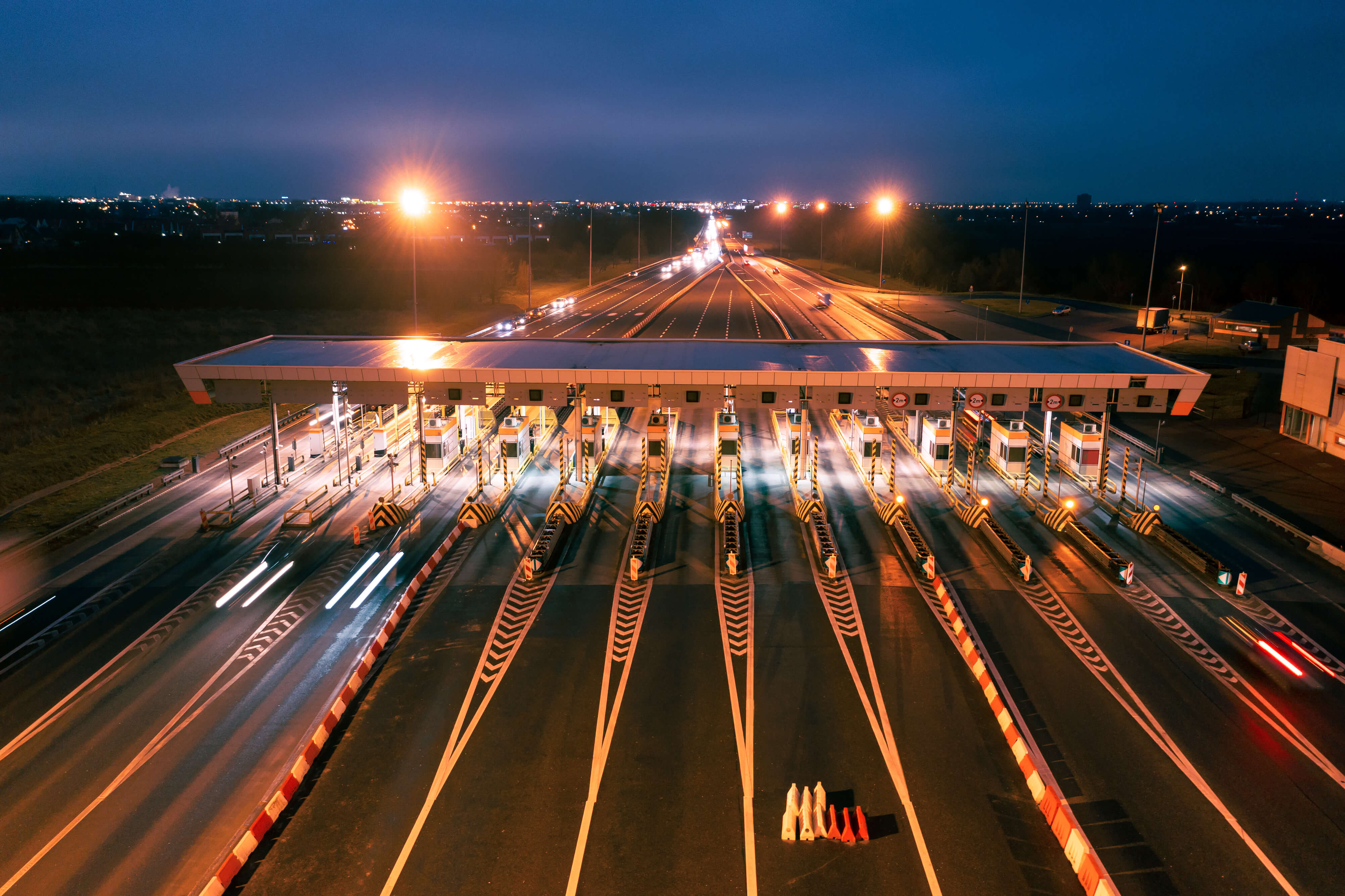
The Chiasso border crossing is one of the busiest and most well-known crossings between Switzerland and Italy. It is located on the A2 motorway and connects Ticino with the Lombardy city of Como. Chiasso is ideal for travelers who want to travel to Italy quickly and conveniently. The crossing offers good transport connections, and customs controls are generally efficient. There are also numerous shops, restaurants, and gas stations in the surrounding area.
Lugano-Ponte Tresa border crossing
This crossing is particularly attractive for travelers who want to explore the picturesque region around Lake Lugano. The route passes through beautiful scenery and offers a relaxing atmosphere. The small border crossing at Ponte Tresa connects Ticino with the Italian region of Lombardy. Here, travelers can enjoy Italian culture in charming villages and towns without long travel times. The crossing is suitable for both drivers and pedestrians.
Aosta-Cervinia border crossing
This border crossing connects Italy's Aosta Valley with Switzerland and is particularly popular with ski and mountain enthusiasts. The route passes through impressive mountain landscapes and offers access to numerous hiking and skiing areas. This crossing is very busy during the winter months, but the breathtaking views of the Alps make the journey worthwhile.
Simplon Pass border crossing
The Simplon Pass is one of the most beautiful Alpine routes, connecting Switzerland with the Italian Piedmont region. The route runs through impressive mountain scenery and is particularly popular with motorcyclists and travelers in summer. The pass is not only an important transport hub but also a popular destination for tourists who want to explore the region's natural beauty.
Stabio border crossing
Less busy than Chiasso, the Stabio border crossing offers a simpler and more relaxed experience for travelers. Located near Mendrisio, Switzerland, it leads directly into Italy. This crossing is ideal for those who want to visit the lesser-known but charming towns in the region and allows for a more peaceful border crossing.
Toll and vignette obligation
In Switzerland, a vignette is required for motorway use, while Italy has a toll system. These regulations should be taken into account when planning your trip.You can conveniently order the digital vignette for Switzerland in our shop, where your license plate will be registered.
The entry regulations between Switzerland and Italy
Entry requirements between Switzerland and Italy are generally quite straightforward, especially for citizens of Schengen countries and many other international travelers. Here are some important aspects to keep in mind:
travel documents - EU/EFTA citizens: Citizens of EU and EFTA countries only need a valid identity card or passport to enter Switzerland or Italy.
- Non-EU citizens: Travelers from countries outside the EU or EFTA are generally required to carry a passport. Depending on their nationality, a visa may also be required, especially for longer stays.
visa
- EU/EFTA citizens: Citizens of EU and EFTA countries only need a valid identity card or passport to enter Switzerland or Italy.
- Non-EU citizens: Travelers from countries outside the EU or EFTA are generally required to carry a passport. Depending on their nationality, a visa may also be required, especially for longer stays.
visa
For short stays of up to 90 days, many non-EU citizens do not require a visa, provided the trip is within the framework of the Schengen Agreement. However, it is important to check the specific requirements for your country of origin. For longer stays or specific purposes (z.B. study or start work) appropriate visas may need to be applied for.
Customs regulations
When entering the country, certain allowances apply to goods you wish to bring with you. These include, for example, wine, cigarettes, perfume, and food. The exact allowances may vary, so it's advisable to check the current regulations before traveling. Larger quantities or special goods may require customs declaration.
Health and safety regulations
- COVID-19 Regulations: As of October 2023, entry requirements have largely returned to normal due to the COVID-19 pandemic. However, it is recommended to check before travel for any special requirements, such as proof of vaccination or testing.
- Travel health documents, such as vaccination certificates, can be important in the event of future or recurring health crises, so keep them in mind at all times.
Exchange and monetary regulations
In Switzerland, payment is made in Swiss francs (CHF), while Italy uses the euro (EUR). It is advisable to obtain some cash in the respective currency before traveling or to use internationally accepted credit cards.